Many people with sensitive skin avoid chemical peels entirely, convinced these treatments will trigger redness, burning, or breakouts. The truth is that the right chemical peels can actually calm reactive skin and strengthen its protective barrier when chosen carefully. Understanding which formulas work for delicate complexions means you can finally address concerns like uneven tone and texture without the fear of irritation.
Table of Contents
- Understanding Sensitive Skin and Chemical Peels
- How Chemical Peels Actually Help Sensitive Skin
- Choosing the Right Chemical Peel for Your Skin
- What to Expect During and After Your Peel
- Why Professional Assessment Makes All the Difference
- Your Path to Safer, Brighter Skin
- Common Questions About Chemical Peels and Sensitive Skin
Understanding Sensitive Skin and Chemical Peels
About 60-70% of women and 50-60% of men say they have sensitive skin, making it one of the most common skin concerns people deal with. If your face gets red easily, stings when you try new products, or feels tight and uncomfortable after washing, you probably fall into this group. Sensitive skin isn't just annoying—it can make you nervous about trying treatments that might actually help. Chemical peels often get a bad reputation because people assume they're too harsh for delicate skin, but that's not always true.
What Makes Skin Sensitive
Sensitive skin reacts more strongly to things that don't bother most people. Your skin barrier might be weaker than normal, which means irritants get in easier and moisture escapes faster.
Common signs you have sensitive skin include:
- Redness or flushing that shows up easily
- Burning or stinging when using skincare products
- Dry patches or flaking even when you moisturize
- Itching or tightness after cleansing
- Breakouts or rashes from new products
How Chemical Peels Actually Work
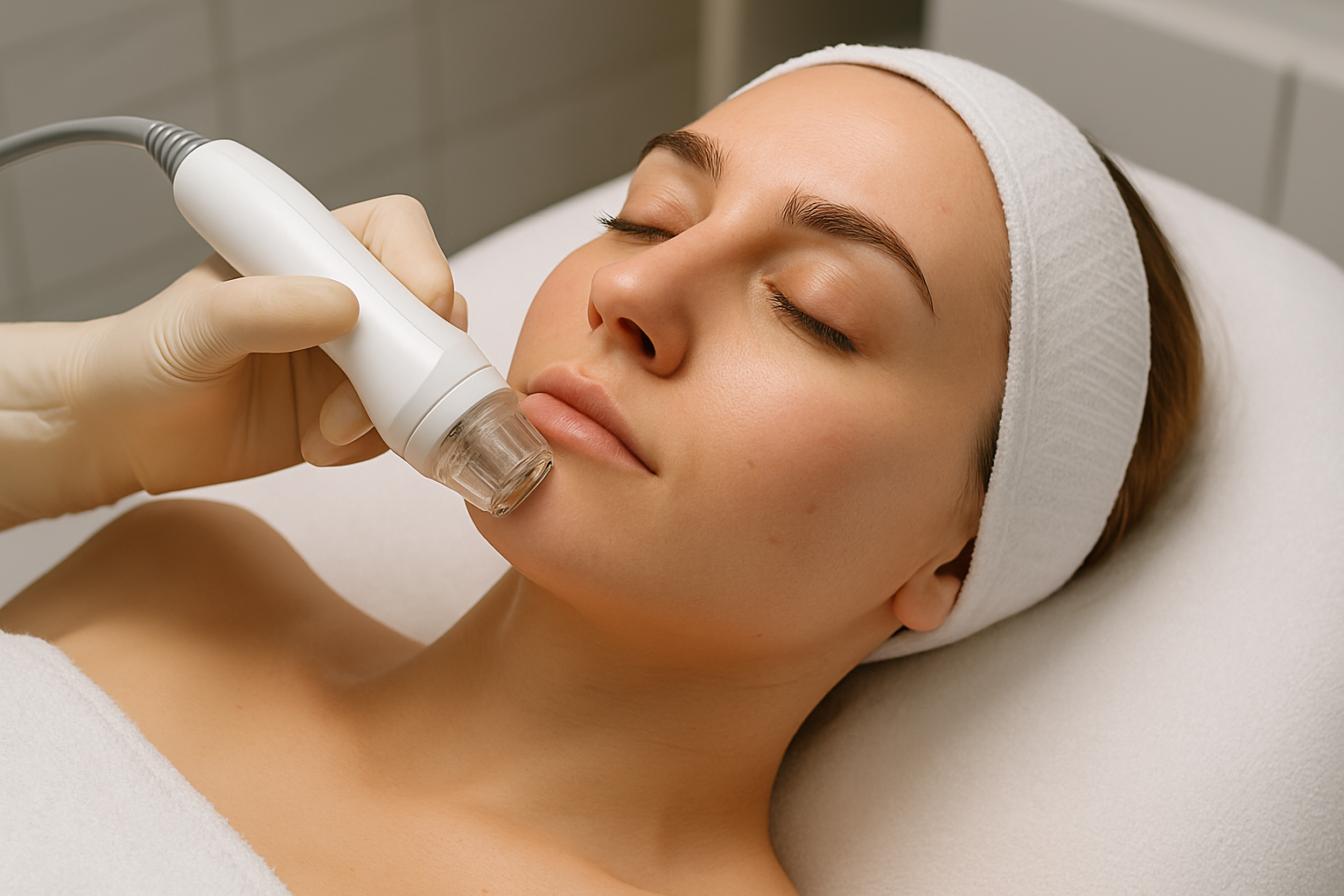
Chemical peels use acids to remove dead skin cells and trigger your skin to make fresh new cells. Think of it like controlled exfoliation that goes deeper than what you can do at home with a scrub. The acids break down the bonds holding old skin cells together, so they shed off and reveal smoother skin underneath. Different acids work at different depths, which is why not all peels are created equal.
At Serenity Skin NY, we offer medical-grade chemical peels including the VI Peel, which are customized based on your specific skin type and concerns during an in-depth consultation.
Types of Chemical Peels Explained
The biggest misconception about chemical peels is that they all cause major peeling and downtime. Actually, peels come in three main categories, and the gentler ones work great for sensitive skin.
Superficial Peels work on just the top layer of skin. They use mild acids like glycolic or lactic acid at low concentrations. You might get a little flaking for a day or two, but nothing dramatic. These are perfect for sensitive skin because they're gentle enough to do regularly.
Medium Peels go deeper into the middle skin layers. They use stronger acids like TCA (trichloroacetic acid) and cause more noticeable peeling for about a week. Your skin will look red and feel tight, kind of like a sunburn. These work well for stubborn issues but need more recovery time.
Deep Peels reach the deepest skin layers and use very strong acids like phenol. They require serious downtime—sometimes weeks—and aren't recommended for sensitive skin types. Most people never need to go this deep anyway.
The key differences between peel types:
- Depth of penetration (surface vs. deeper layers)
- Strength of acids used (mild vs. aggressive)
- Recovery time needed (hours vs. weeks)
- Results timeline (gradual vs. dramatic)
How Chemical Peels Actually Help Sensitive Skin
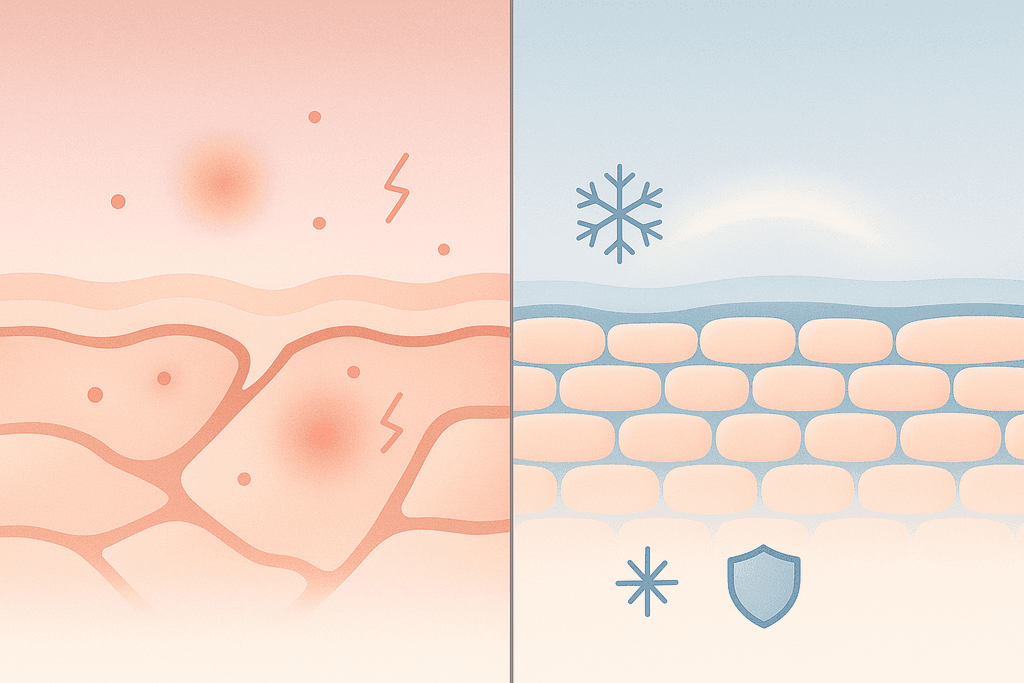
Most people with sensitive skin avoid chemical peels like the plague, thinking they'll end up looking like a tomato for weeks. But here's what dermatologists have known for years: the right chemical peels can actually calm down reactive skin instead of making it worse. When you have sensitive skin, your protective barrier is often compromised, which means irritants get in more easily and moisture escapes faster. Controlled exfoliation from professional chemical peels removes damaged surface cells and triggers your skin to build a stronger, healthier barrier over time.
How Chemical Peels Actually Help Sensitive Skin
The key word here is "controlled." Unlike harsh physical scrubs that can create tiny tears in already fragile skin, chemical peels work at a precise depth determined by your skin's needs.
- Chemical peels reduce redness and inflammation by removing the damaged outer layer that's causing your immune system to overreact
- Professional peels strengthen your skin barrier function by stimulating collagen production and cell turnover at a manageable pace
- Peels help manage conditions like rosacea and eczema when formulated correctly for sensitive skin types
- Controlled chemical exfoliation is gentler than physical scrubbing because there's no friction or mechanical irritation
At Serenity Skin NY, every chemical peel starts with an in-depth consultation to assess your specific sensitivity triggers and tolerance levels. This personalized approach means you're never getting a one-size-fits-all treatment that might be too aggressive for your skin.
Choosing the Right Chemical Peel for Your Skin
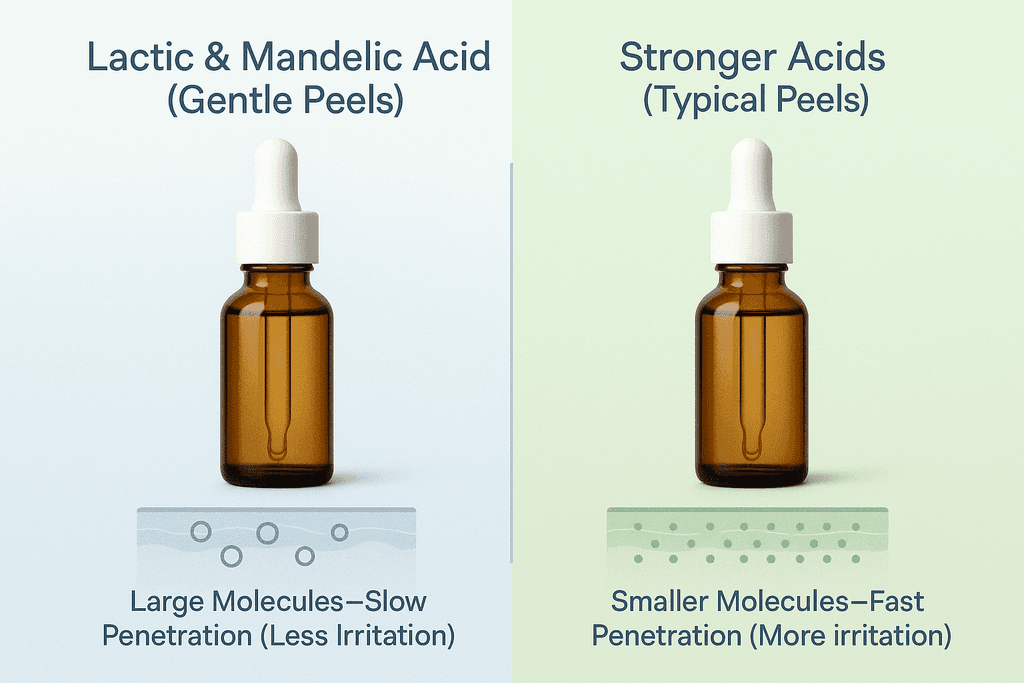
Not all chemical peels are created equal, especially when your skin freaks out at the slightest provocation. The difference between a peel that helps and one that hurts often comes down to the specific acids used and their concentration levels. Lactic acid and mandelic acid are the gentler cousins in the chemical peel family because they have larger molecular structures that penetrate more slowly. This slower penetration gives sensitive skin time to adjust without triggering a major reaction. Glycolic acid, while effective, has tiny molecules that dive deep fast, which can be too much for reactive skin types at higher concentrations.
Choosing the Right Chemical Peel for Your Skin
Enzyme peels offer another option that works differently than acid-based peels. They use natural fruit enzymes to dissolve dead skin cells without any actual "peeling" sensation.
The VI Peel stands out for sensitive skin because it comes in customizable formulations that can be adjusted based on how your skin responds. This medical-grade peel combines multiple ingredients at balanced concentrations, which often works better than single-acid peels for people with reactive skin. The formulation includes ingredients that actually calm inflammation while exfoliating, which seems contradictory but makes all the difference.
- Start with lower concentration peels and work your way up as your skin builds tolerance
- Avoid high-concentration glycolic acid peels initially, even if you're tempted by faster results
- Look for peels that include soothing ingredients like hyaluronic acid or peptides
- Professional assessment determines your safest starting point based on your skin's current condition
The team at Serenity Skin NY specializes in matching clients with the right peel formulation through thorough skin analysis. Their approach includes offering VI Peel options that can be tailored to your exact sensitivity level, which takes the guesswork out of the equation.
What to Expect During and After Your Peel
Walking into your first chemical peel appointment with sensitive skin can feel nerve-wracking, but knowing what's coming helps calm those nerves. The process starts well before any solution touches your face. Pre-treatment consultation and patch testing are non-negotiable for sensitive skin types because they reveal how your skin will react without committing your entire face to the experiment. During this consultation, your provider should ask about your current skincare routine, any medications you're taking, and past reactions to products or treatments.
When it's time for the actual peel, you'll feel some tingling or mild warmth. That's normal and expected.
What's not normal is intense burning, sharp pain, or feeling like your face is on fire. A slight stinging sensation that stays at a manageable level means the peel is working. If it crosses into painful territory, speak up immediately so your provider can neutralize the peel. Most peels for sensitive skin stay on for just a few minutes before being neutralized or removed.
- Stop using retinoids and exfoliating products 3-5 days before your appointment
- Avoid sun exposure and tanning for at least one week prior
- Come to your appointment with clean, makeup-free skin
- Plan for downtime even if you're told it's a "lunchtime peel"
The recovery timeline for sensitive skin typically runs 3-7 days, though some people see flaking for up to 10 days. Your skin might look slightly pink or feel tight immediately after, similar to a mild sunburn. Post-peel care is where most people either succeed or sabotage their results. Gentle cleansing with lukewarm water, heavy moisturizing with fragrance-free products, and religious sun protection are your three main jobs during recovery.
Serenity Skin NY's four-step journey includes detailed aftercare guidance and follow-up support to make sure your skin heals properly. They'll tell you exactly when to schedule your next treatment based on how your skin responded, which is usually 4-6 weeks later for sensitive skin types. This personalized timeline prevents over-treating while still getting you the cumulative benefits that make chemical peels worth it.
Why Professional Assessment Makes All the Difference
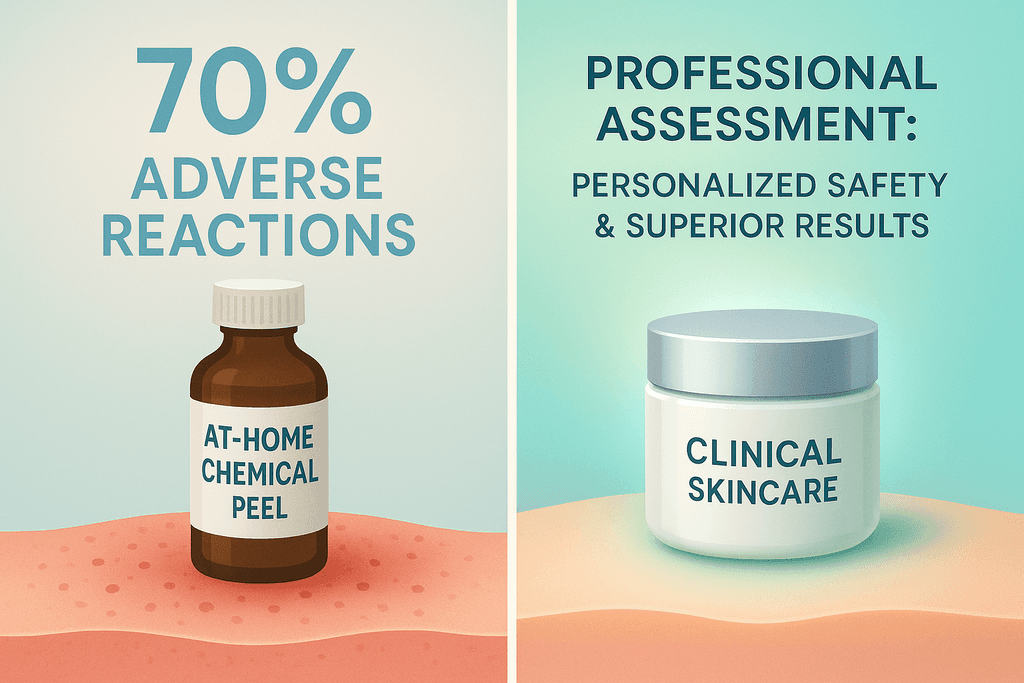
About 70% of people who experience adverse reactions to chemical peels used either at-home products or visited inexperienced providers. When you have sensitive skin, the stakes are even higher because what works for someone else might leave you with redness, irritation, or worse. The difference between a successful peel and a skincare disaster often comes down to one thing: professional expertise that understands your unique skin needs. At Serenity Skin NY, every chemical peel starts with an in-depth consultation where trained providers analyze your specific sensitivities, skin type, and any potential contraindications before a single product touches your face.
The real magic happens during the treatment itself. Trained professionals can adjust peel strength and application time in real-time based on how your skin responds. They watch for early signs of sensitivity and know exactly when to neutralize the peel to prevent damage while still getting results.
- Professional skin analysis identifies hidden sensitivities that you might not notice yourself
- Medical-grade chemical peels contain higher-quality ingredients with better safety profiles
- Experienced providers know which peel formulations work best for different sensitivity types
- Real-time monitoring prevents over-processing that leads to complications
What At-Home Peels Can't Do
At-home peels might seem convenient and cost-effective, but they lack the customization that sensitive skin requires. These products are designed for the average person, not for your specific concerns. You're essentially guessing at what strength to use and how long to leave it on.
- No professional monitoring means you can't adjust mid-treatment
- Generic formulations don't account for your unique sensitivity triggers
- Missing the signs of adverse reactions until it's too late
Real Results from Sensitive Skin Clients
Consider a client who came to Serenity Skin NY after a bad experience with an at-home peel left her face red and peeling for weeks. During her consultation, the provider identified that she had rosacea-prone skin that needed a gentler approach. Using a customized VI Peel with modified application time, she achieved the brightening results she wanted without any of the previous irritation. The provider built a treatment plan that gradually increased intensity over several sessions.
Another client with eczema-prone skin thought chemical peels were off-limits entirely. After a thorough assessment, the team created a protocol using lower-strength peels with longer intervals between treatments. The ongoing relationship meant adjustments could be made based on how her skin responded each time.
- Over 100 five-star Google reviews highlight successful sensitive skin treatments
- Clients report feeling confident their provider understands their concerns
- Long-term treatment relationships allow for continuous refinement
Your Path to Safer, Brighter Skin
The truth is, sensitive skin doesn't have to miss out on the benefits of chemical peels. You just need the right approach, which means starting with a professional who understands how to work with delicate skin types. The key is customization, not one-size-fits-all treatments that can leave sensitive skin worse off than before.
Here's what matters most when considering chemical peels for sensitive skin:
- Always start with a thorough consultation and skin analysis
- Begin with gentler formulations and shorter contact times
- Build up gradually as your skin develops tolerance
- Work with someone who won't push you into treatments your skin isn't ready for
At Serenity Skin NY, we offer medical-grade chemical peels including the VI Peel, but only after a complete assessment of your skin's needs and tolerance levels. Our four-step process starts with an in-depth consultation where we create a personalized treatment plan that respects your skin's boundaries while still delivering results.
The difference between a great experience and a disaster often comes down to who's holding the peel solution. If you're ready to explore what chemical peels can do for your sensitive skin without the guesswork, you can reach us at (570) 634-5716 or book through our online form. We also offer flexible payment options through Cherry Payment Plans, so cost doesn't have to be a barrier to getting the care your skin deserves.
Still have questions about how chemical peels work with sensitive skin? Let's address some of the most common concerns.
Common Questions About Chemical Peels and Sensitive Skin
If you have sensitive skin, you probably have a lot of questions before trying chemical peels. The idea of putting acids on already reactive skin can feel risky, and it's smart to get the facts first. These are the most common concerns we hear from clients with delicate skin types, along with honest answers to help you decide if chemical peels are right for you.
Will a chemical peel make my sensitive skin worse?
Not if it's done correctly with the right formula for your skin type. Professional chemical peels like the VI Peel offered at Serenity Skin NY are specifically designed to work with sensitive skin when applied by trained professionals. The key is starting with a gentler peel and having a proper consultation first to assess your skin's tolerance level.
How do I know if I'm a good candidate for a chemical peel?
The best way to find out is through an in-depth consultation where your skin is analyzed for sensitivity levels, current conditions, and treatment goals. Most people with sensitive skin can safely receive chemical peels as long as their skin isn't currently inflamed or broken. Your provider will look at factors like redness patterns, how your skin reacts to products, and any underlying conditions before recommending a treatment plan.
What's the difference between a professional peel and at-home products?
Professional chemical peels use higher concentrations of active ingredients and are applied by trained specialists who know exactly how long to leave them on your specific skin type. At-home products are much weaker and can't deliver the same results, but they also come with less guidance. For sensitive skin especially, having an expert monitor your treatment makes a huge difference in both safety and effectiveness.
How long does it take to see results on sensitive skin?
You'll typically notice smoother texture and a brighter glow within a week after your first peel. Deeper concerns like pigmentation or fine lines usually improve over a series of treatments spaced several weeks apart. Sensitive skin may take slightly longer to show dramatic changes because we start gentler, but the results are worth the patience.
Can I get a chemical peel if I have rosacea or eczema?
It depends on whether your condition is currently active or controlled. If your rosacea or eczema is flaring up, you'll need to wait until it calms down before getting a peel. When these conditions are managed and stable, certain medical-grade chemical peels can actually help improve skin texture and reduce sensitivity over time. This is why the consultation step is so important before any treatment.
What should I avoid after getting a chemical peel?
Skip direct sun exposure, hot showers, heavy workouts, and any harsh skincare products for at least a week after your peel. Your skin will be more vulnerable during the healing process, so gentle care is essential. You'll also want to avoid picking at any peeling skin, even though it's tempting. Following your provider's aftercare instructions and using recommended products like a quality moisturizer will help you heal faster and get better results.